

Are you tired of feeling run down and vulnerable to illnesses? Can a specific eating plan really make a difference in your overall health?
A well-crafted nutrition plan can play a significant role in supporting your body’s defenses. By incorporating the right foods and nutrients, you can help fortify your body’s natural defenses.
This article will explore the connection between diet and immunity, providing you with practical tips and insights to enhance your overall well-being.
Key Takeaways
- Understand the link between nutrition and immunity
- Discover key foods that support immune function
- Learn how to create a balanced diet for optimal health
- Explore the role of specific nutrients in immune support
- Find out how to maintain a healthy gut microbiome
1. How Your Immune System and Nutrition Work Together
A well-balanced diet is essential for a healthy immune system, providing the necessary nutrients to keep you protected. “The food you eat plays a significant role in supporting your immune function,” emphasizing the need for a diet rich in essential nutrients.
The Connection Between What You Eat and How You Fight Illness
The foods you consume directly impact your body’s ability to fight disease. A diet lacking in vital nutrients can weaken your immune response, making you more susceptible to illnesses. On the other hand, a diet rich in fruits, vegetables, whole grains, and lean proteins can significantly enhance your immune system’s functionality.
Eating a variety of healthy immune system foods ensures that your body gets the necessary vitamins, minerals, and antioxidants to support immune function. For instance, vitamin C in citrus fruits and leafy greens is known for its immune-boosting properties.
Why 70% of Your Immune System Lives in Your Gut
The gut is home to a significant portion of your immune system, with a complex ecosystem of gut microbiota playing a crucial role in immune function. A healthy gut microbiome is essential for the proper functioning of your immune system, aiding in the fight against pathogens and the maintenance of overall health.
“A healthy gut is fundamental to a strong immune system.”
Consuming foods rich in fiber, such as whole grains, and fermented foods like yogurt and sauerkraut, can help maintain a balanced gut microbiota.
Common Nutritional Deficiencies That Weaken Immunity
Nutritional deficiencies can significantly impair immune function, making you more prone to infections. Common deficiencies include lack of vitamin D, iron, and zinc, all of which are crucial for maintaining a healthy immune response.
- Vitamin D deficiency can increase the risk of respiratory infections.
- Iron deficiency can impair the production of white blood cells.
- Zinc deficiency can weaken the immune system, making it harder to fight off infections.
Ensuring adequate intake of these nutrients through diet or supplements is vital for supporting your immune system.
2. Your Complete Immune Boosting Nutrition Strategy
To strengthen your immunity, follow this comprehensive nutrition strategy tailored to your needs. This step-by-step guide will help you understand and improve your diet to support your immune system effectively.
Step 1: Track Your Current Eating Patterns for One Week
Start by keeping a food diary for a week to track everything you eat and drink. This will help you identify patterns and habits that might be affecting your immunity. Use a notebook or a mobile app to log your meals, snacks, and beverages. Don’t forget to note how you feel each day, as this can provide valuable insights into how your diet impacts your energy and overall health.
Step 2: Identify Your Immune-Weakening Food Habits
Once you have a week’s worth of data, review your food diary to identify any immune-weakening food habits. Look for patterns such as high sugar intake, processed foods, or skipping meals. Reducing or eliminating these habits can significantly boost your immune function. For instance, high sugar intake can suppress immune function, while processed foods often lack essential nutrients.

Step 3: Add Immune-Supporting Foods Gradually
Begin incorporating immune-supporting foods into your diet gradually. Start with small changes, like adding a serving of fruits or vegetables to your meals. Nuts, seeds, and whole grains are also great additions that can enhance your immune function. The key is to make sustainable changes that you can maintain in the long term.
Step 4: Create a Sustainable Daily Routine
Establishing a daily routine that includes immune-boosting foods and practices is crucial. Plan your meals, prep your snacks, and ensure you’re getting enough sleep and exercise. Consistency is key to supporting your immune system. Consider meal prepping on weekends or setting reminders to drink water throughout the day.
Step 5: Monitor Your Progress and Adjust
Keep tracking your eating habits and how you feel after implementing these changes. Adjust your strategy as needed based on your progress. It might take a few weeks to notice significant improvements, so be patient and stay committed to your new nutrition plan.
By following these steps, you can develop a personalized immune boosting nutrition strategy that not only enhances your immunity but also improves your overall health and well-being.
3. Essential Nutrients Your Immune System Needs
To keep your immune system in top shape, it’s crucial to understand the key nutrients it needs to function effectively. A well-balanced diet that includes a variety of whole foods can provide the necessary building blocks for a robust immune response.
Vitamin C: Daily Requirements and Best Sources
Vitamin C is vital for the production of white blood cells, which are crucial in fighting infections. The daily recommended intake is 60-90 mg per day for adults. Foods rich in Vitamin C include citrus fruits like oranges and grapefruits, strawberries, bell peppers, and broccoli.
Citrus fruits are not only delicious but also packed with Vitamin C. For example, one medium orange provides about 70 mg of Vitamin C.
Vitamin D: The Sunshine Vitamin for Immune Defense
Vitamin D plays a significant role in regulating immune cell function. The recommended daily intake is 600-800 IU per day for adults. While sunlight is a natural source, dietary sources include fatty fish like salmon and mackerel, fortified dairy products, and some mushrooms.
Fatty fish like salmon are excellent sources of Vitamin D. A 3-ounce serving of cooked salmon can provide about 450 IU of Vitamin D.
Zinc: How Much You Need and Where to Find It
Zinc is essential for the activation of cells important for immunity. Adults need about 8-11 mg of zinc per day. Zinc-rich foods include oysters, beef, chicken, pumpkin seeds, and chickpeas.
Oysters are among the highest zinc-containing foods, with one serving providing more than the daily recommended intake.
| Nutrient | Daily Requirement | Best Food Sources |
|---|---|---|
| Vitamin C | 60-90 mg | Citrus fruits, strawberries, bell peppers, broccoli |
| Vitamin D | 600-800 IU | Salmon, mackerel, fortified dairy products, mushrooms |
| Zinc | 8-11 mg | Oysters, beef, chicken, pumpkin seeds, chickpeas |
Protein: Building Antibodies and Immune Cells
Protein is crucial for building and repairing tissues, including immune cells. Adults should consume about 0.8 grams of protein per kilogram of body weight per day. Good sources include lean meats, fish, eggs, dairy products, legumes, and nuts.
Omega-3 Fatty Acids: Reducing Inflammation Naturally
Omega-3 fatty acids help reduce inflammation, supporting immune function. The recommended daily intake is 250-500 mg. Fatty fish, flaxseeds, chia seeds, and walnuts are rich in omega-3s.
Selenium and Vitamin E: Powerful Antioxidant Partners
Selenium and Vitamin E act as antioxidants, protecting cells from damage. Adults need 55 mcg of selenium and 15 mg of Vitamin E daily. Brazil nuts are an excellent source of selenium, while Vitamin E is found in nuts, seeds, and vegetable oils.
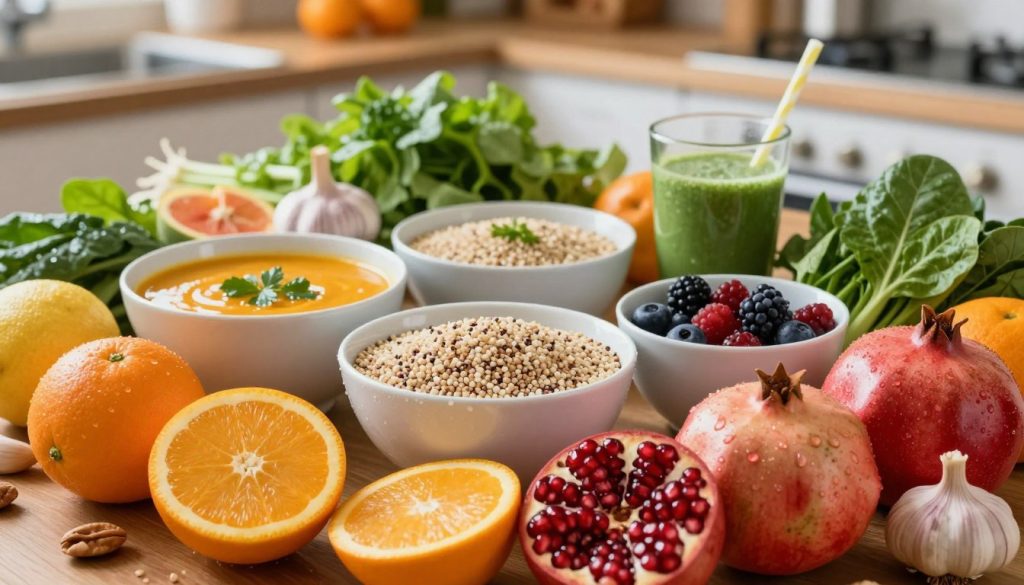
4. Top Foods That Strengthen Your Body’s Defenses
Eating the right foods can significantly strengthen your body’s defenses against illnesses. A diet rich in vitamins, minerals, and antioxidants is crucial for maintaining a healthy immune system. In this section, we’ll explore the top foods that can help boost your immunity and keep you healthy.
Citrus Fruits, Berries, and Bell Peppers
Citrus fruits like oranges, grapefruits, and lemons are high in vitamin C, which is essential for the production of white blood cells. Berries, including strawberries, blueberries, and raspberries, are packed with antioxidants and vitamins. Bell peppers, especially the red ones, are also rich in vitamin C and contain a compound called capsicum, which has anti-inflammatory properties.
Spinach, Kale, and Broccoli
Leafy greens like spinach and kale are rich in antioxidants and vitamins A, C, and E. Broccoli is a cruciferous vegetable that’s high in vitamins and contains a compound called sulforaphane, which has been shown to have anti-inflammatory and immune-boosting properties.
Garlic, Ginger, and Turmeric
Garlic contains compounds that have antimicrobial and antiviral properties, helping to fight off infections. Ginger has anti-inflammatory properties and can help reduce nausea and inflammation. Turmeric contains curcumin, a compound with potent anti-inflammatory and antioxidant properties.

Almonds, Sunflower Seeds, and Pumpkin Seeds
Nuts and seeds are a great source of vitamin E and healthy fats. Almonds, sunflower seeds, and pumpkin seeds are all rich in antioxidants and can help support immune function.
Yogurt, Kefir, and Sauerkraut
Fermented foods like yogurt, kefir, and sauerkraut contain probiotics, which help support gut health and boost the immune system. A healthy gut microbiome is essential for a strong immune system.
Salmon, Mackerel, and Sardines
Fatty fish like salmon, mackerel, and sardines are rich in omega-3 fatty acids, which help reduce inflammation and support immune function.
Sweet Potatoes and Carrots
Sweet potatoes and carrots are rich in beta-carotene, a precursor to vitamin A that helps support immune function and eye health.
| Food | Key Nutrient | Immune Benefit |
|---|---|---|
| Citrus Fruits | Vitamin C | Boosts white blood cell production |
| Berries | Antioxidants | Reduces oxidative stress |
| Garlic | Antimicrobial compounds | Fights off infections |
| Salmon | Omega-3 fatty acids | Reduces inflammation |
5. Building Your Immune Support Meal Plan
A well-structured meal plan can significantly enhance your body’s defense against illnesses. By incorporating the right foods into your diet, you can provide your immune system with the necessary nutrients to function optimally.
How to Plan Your Weekly Immune-Boosting Menu
Planning your weekly menu involves selecting a variety of immune-boosting foods. Start by making a list of your favorite immune-supporting foods, such as citrus fruits, leafy greens, and lean proteins. Then, plan your meals around these foods, ensuring you have a balanced diet throughout the week.
Here’s a simple step-by-step guide to planning your menu:
- Identify your dietary preferences and restrictions.
- Choose a mix of immune-boosting foods for each meal.
- Create a shopping list based on your meal plan.
- Prepare meals in advance to save time during the week.
Your Daily Meal Framework for Maximum Immunity
Structuring your daily meals is crucial for maintaining immune function. Here’s how you can plan your meals for maximum immunity:
Breakfast: Start Strong with Immune Support
Begin your day with a nutritious breakfast that includes immune-boosting foods like berries, citrus fruits, or Greek yogurt. A smoothie bowl with spinach, banana, and almond milk is a great option.
Lunch: Midday Nutrient Boost
For lunch, include a variety of vegetables, lean proteins, and whole grains. A salad with grilled chicken, mixed greens, and a citrus vinaigrette is an excellent choice.
Dinner: Evening Immune Defense
Dinner should include immune-supporting foods like garlic, ginger, and turmeric. A hearty soup with vegetables and lean protein can be very beneficial.
Snacks: Strategic Immune Support Between Meals
Choose snacks that are rich in vitamins and minerals, such as nuts, seeds, and fruits. Almonds and apple slices make for a satisfying snack.

Meal Prep Tips to Stay Consistent
Meal preparation is key to maintaining a consistent immune support meal plan. Here are some tips to help you stay on track:
- Prepare your meals for the week ahead of time.
- Use a variety of containers to store and transport your meals.
- Label your meals with the date and contents.
- Keep your meals visible and easily accessible.
As Dr. Jane Smith once said,
“A well-planned diet is the cornerstone of a healthy immune system.”
By following these guidelines, you can create an immune support meal plan that works for you.
6. Immune-Boosting Recipes to Try Today
Transform your diet into a powerful tool against illness with these tasty immune-boosting recipes to try today. Incorporating the right foods into your meals can significantly enhance your body’s defenses. Here are some delicious and nutritious options to get you started.
Berry Citrus Immunity Smoothie Bowl
This refreshing smoothie bowl is packed with vitamins and antioxidants that support immune function. The combination of berries and citrus fruits provides a high dose of Vitamin C, essential for fighting off infections.
Ingredients and Preparation
- 1 cup frozen mixed berries
- 1/2 cup freshly squeezed orange juice
- 1/2 cup Greek yogurt
- 1 tablespoon honey
- 1/2 cup sliced almonds
- 1/4 cup chia seeds
- Fresh berries and citrus slices for garnish
Blend the berries, orange juice, and Greek yogurt until smooth. Top with honey, sliced almonds, chia seeds, and fresh berries. Serve immediately.
Why This Recipe Works
The antioxidants and Vitamin C in this smoothie bowl help protect your cells from damage and support your immune system. The fiber from the chia seeds and almonds adds to its immune-boosting properties.
Immune-Boosting Ginger Garlic Chicken Soup
This comforting soup is a powerhouse of immune-boosting ingredients. Garlic and ginger have natural antibacterial properties, while chicken provides essential protein for immune cell production.
Ingredients and Preparation
- 1 whole chicken
- 2 inches ginger, sliced
- 3 cloves garlic, minced
- 4 cups chicken broth
- 1/2 teaspoon black pepper
- 2 carrots, sliced
- 2 celery stalks, sliced
Simmer the chicken, ginger, and garlic in chicken broth until the chicken is cooked. Add black pepper, carrots, and celery. Continue to simmer until the vegetables are tender.
Why This Recipe Works
The combination of garlic, ginger, and chicken makes this soup a potent immune booster. The antioxidants and protein support your body’s natural defenses.
Rainbow Vegetable and Quinoa Power Bowl
This colorful bowl is not only visually appealing but also packed with nutrients that support immune health. Quinoa provides protein, while the variety of vegetables offers a range of vitamins and minerals.
Ingredients and Preparation
- 1 cup quinoa, cooked
- 2 cups mixed vegetables (such as bell peppers, broccoli, carrots)
- 1/4 cup chopped fresh herbs (like parsley, cilantro)
- 2 tablespoons olive oil
- 1 tablespoon lemon juice
- Salt and pepper to taste
Toss the cooked quinoa with mixed vegetables and fresh herbs. Drizzle with olive oil and lemon juice. Season with salt and pepper.
Why This Recipe Works
The variety of vegetables in this bowl provides a broad spectrum of vitamins and minerals that are crucial for immune function. Quinoa adds protein, making this a well-rounded immune-boosting meal.
Golden Turmeric Immunity Latte
This warm, comforting drink is a great way to incorporate turmeric into your diet. Turmeric contains curcumin, which has potent anti-inflammatory properties.
Ingredients and Preparation
- 1 cup milk (dairy or non-dairy)
- 1 teaspoon turmeric powder
- 1/2 teaspoon ginger powder
- 1 tablespoon honey
- A pinch of black pepper
Heat the milk in a saucepan. Add turmeric, ginger, and honey. Stir well. Add a pinch of black pepper to enhance curcumin absorption.
Why This Recipe Works
The curcumin in turmeric has powerful anti-inflammatory and antioxidant properties, supporting overall immune health. Ginger adds additional immune-boosting benefits.
7. Natural Supplements and Beverages for Extra Support
To further enhance your immune health, consider incorporating natural supplements and beverages into your daily routine. While a balanced diet is fundamental, additional support can be beneficial in maintaining a robust immune system.
When to Add Supplements to Your Strategy
Before adding any supplements, it’s essential to assess your current nutritional intake and health status. Consult with a healthcare professional to determine if supplements are necessary and to discuss the best options for your specific needs.
The Best Immune-Boosting Supplements
Several supplements have been identified as potentially beneficial for immune support. These include:
- Vitamin C and Zinc Lozenges: Known for their role in supporting immune function and reducing the severity of colds.
- Vitamin D3 Supplements: Essential for maintaining healthy immune cells and preventing deficiency, especially during winter months.
- Probiotics for Gut Health: Supporting the gut microbiome is crucial for overall immune health.
- Elderberry Extract: Rich in antioxidants and potentially beneficial in reducing the duration of cold and flu symptoms.
Vitamin C and Zinc Lozenges
Vitamin C and zinc are crucial for immune function. Lozenges can provide a convenient way to boost your intake, especially during periods of high susceptibility to illness.
Vitamin D3 Supplements
Maintaining adequate vitamin D levels is vital for immune health. Supplements can help, especially for individuals with limited sun exposure.
Probiotics for Gut Health
A healthy gut microbiome is essential for a strong immune system. Probiotics can help maintain this balance.
Elderberry Extract
Elderberry is rich in antioxidants and has been traditionally used to support immune health. Its potential benefits include reducing the severity of cold and flu symptoms.
Immune-Supporting Beverages to Drink Daily
In addition to supplements, certain beverages can provide immune-boosting benefits. Consider incorporating the following into your daily routine:
- Green Tea and Matcha: High in antioxidants and potentially beneficial in supporting immune health.
- Bone Broth: Rich in nutrients and may help support gut health.
- Fresh Pressed Vegetable Juices: Can provide a concentrated dose of vitamins and minerals.
- Herbal Teas for Immunity: Certain herbal teas, such as echinacea and ginger, may offer immune-boosting properties.
Green Tea and Matcha
Green tea and matcha are renowned for their high antioxidant content and potential immune-boosting effects.
Bone Broth
Bone broth is a nutrient-rich beverage that may support gut health and overall immunity.
Fresh Pressed Vegetable Juices
Drinking fresh vegetable juices can be an effective way to increase your intake of essential vitamins and minerals.
Herbal Teas for Immunity
Certain herbal teas have been traditionally used to support immune health. Options like echinacea and ginger tea may be beneficial.
Important Safety Considerations
When incorporating supplements and new beverages into your routine, it’s crucial to be aware of potential interactions with medications and any underlying health conditions. Always consult with a healthcare professional before making significant changes.
8. Conclusion
By now, you understand the importance of a comprehensive immune boosting nutrition strategy in maintaining a healthy immune system. By incorporating essential nutrients, immune-supporting foods, and a well-planned meal framework, you can significantly boost your body’s defenses.
Start by tracking your eating patterns and identifying areas for improvement. Gradually add immune-boosting foods to your diet, and consider incorporating natural supplements and beverages for extra support. With a consistent and well-rounded approach, you’ll be well on your way to a stronger, more resilient immune system.
Take the first step today towards a healthier tomorrow by implementing these strategies and tips. Empower your body with the right nutrition, and discover the difference a robust immune system can make in your overall well-being.