
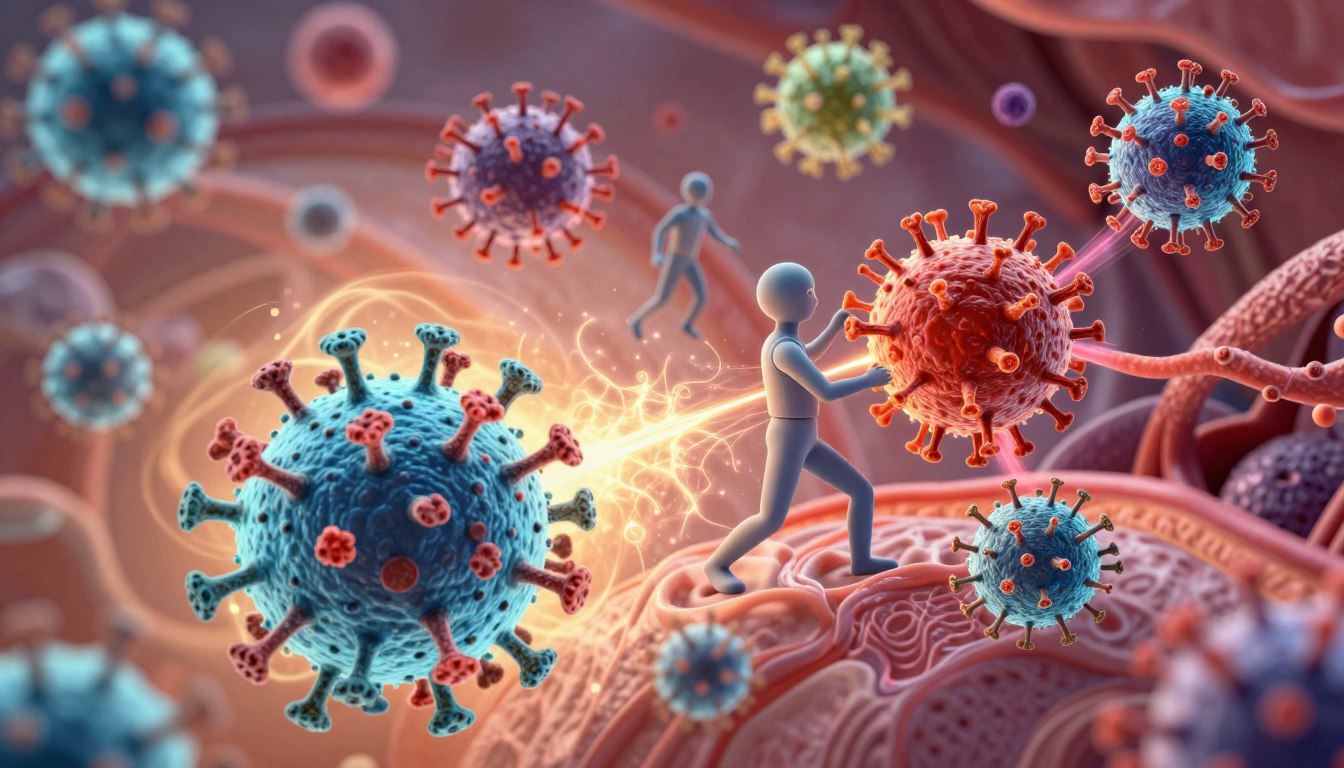
Have you ever wondered what happens inside your body when a virus attacks? The process is complex, involving multiple layers of defense that work together to protect you from harm.
Your body’s defense mechanisms are triggered when a virus enters your system, initiating an immune response that is both immediate and targeted.
Understanding how your immune system works can provide valuable insights into the intricate processes that keep you healthy.
Key Takeaways
- The immune system has multiple layers of defense against viral infections.
- The body’s immune response is triggered when a virus enters the system.
- Understanding the immune system can provide insights into maintaining health.
- The immune response is both immediate and targeted.
- A healthy immune system is crucial for fighting off viruses.
Understanding Your Body’s Viral Defense System
The immune system employs a multi-faceted approach to combat viral infections. This complex defense mechanism is crucial for protecting the body against the ever-present threat of viral invasions.
What Happens When a Virus Invades
When a virus enters the body, it invades host cells, hijacking their machinery to replicate. This triggers an immune response designed to eliminate the virus and restore health.
The Two-Layer Defense Strategy
The immune system uses a two-layer defense strategy against viral infections. The innate immune response provides immediate defense, while the adaptive immune response offers targeted, long-term protection.
Timeline of Immune Response
The timeline of the immune response to viral infections varies, but it typically follows a predictable pattern. Here’s a simplified overview:
| Time | Immune Response |
|---|---|
| 0-4 hours | Innate immune response initiated |
| 4-24 hours | Interferon production peaks |
| 24-72 hours | Adaptive immune response begins |
| Days to weeks | Adaptive immunity fully activated, virus cleared |
Understanding this timeline helps appreciate the body’s complex response to viral infections.
Step 1: Detecting the Viral Threat
Detecting viral threats is a crucial step in triggering the body’s immune response. The immune system has evolved complex mechanisms to identify invaders, and this detection is the first line of defense against viral infections.
Pattern Recognition Receptors Identify Invaders
The body uses Pattern Recognition Receptors (PRRs) to identify viral components. These receptors recognize specific patterns associated with viruses, such as viral RNA or DNA, triggering an immune response. “The recognition of viral pathogens by PRRs is a critical step in initiating antiviral immunity,” as noted by immunologists studying viral infections.
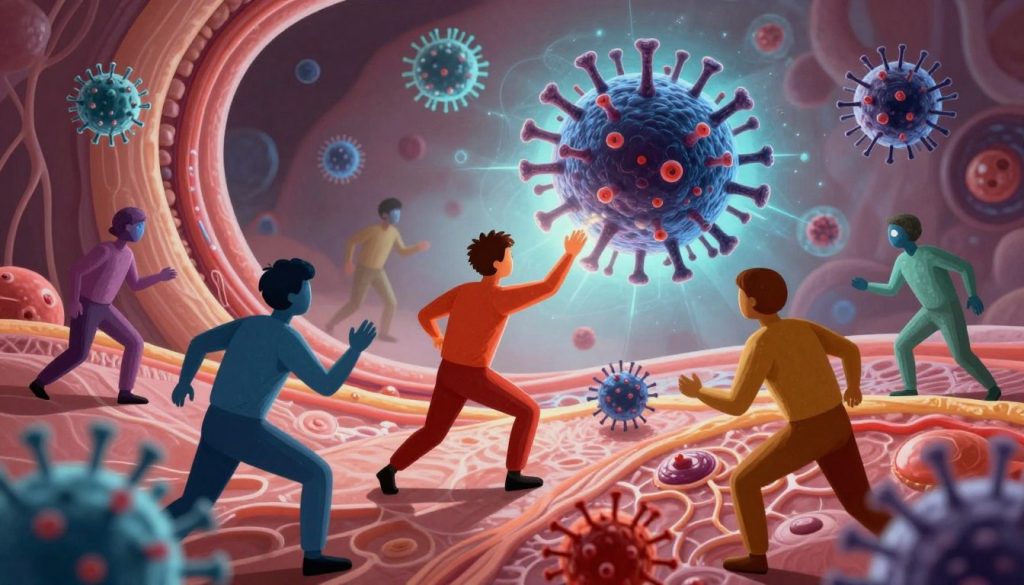
Cellular Alarm Signals Activate Defense Mechanisms
Upon detecting a virus, cells release alarm signals that activate various defense mechanisms. These signals, often in the form of cytokines, alert neighboring cells to the presence of a viral threat, preparing them to respond.
Interferon Release Warns Neighboring Cells
One of the key cytokines released during a viral infection is interferon. Interferons are crucial for warning neighboring cells about the viral invasion, effectively creating an antiviral state in those cells. This rapid response mechanism is vital for controlling the spread of the virus within the body.
As
“The early detection and response to viral infections are pivotal in determining the outcome of the infection.”
, understanding these mechanisms can provide insights into how we can support and enhance our immune system’s natural defenses.
Step 2: Innate Immunity Launches the First Attack
The innate immune system acts as the body’s first line of defense against viral infections. It provides an immediate response to viral invasions, utilizing various mechanisms and cell types to combat the infection.
Physical Barriers Block Viral Entry Points
The body’s first defense against viruses is its physical barriers, including the skin and mucous membranes. These barriers prevent many viruses from entering the body in the first place. When a virus does breach these defenses, other components of the innate immune system are triggered.
Natural Killer Cells Destroy Infected Cells
Natural Killer (NK) cells are a type of immune cell that can recognize and destroy virus-infected cells. They play a crucial role in controlling viral infections by eliminating infected cells before they can produce more virus particles.
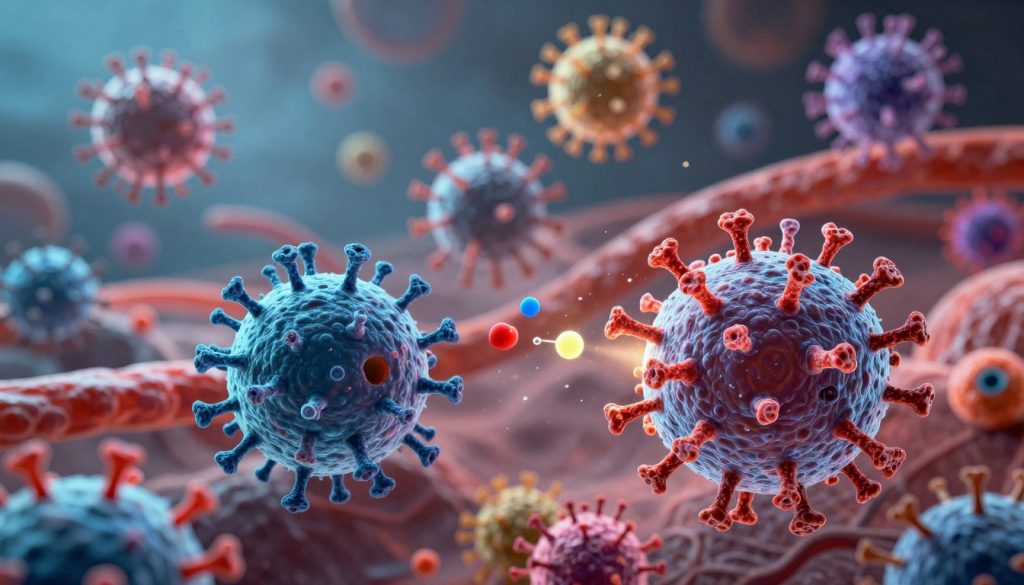
Macrophages Engulf and Eliminate Viruses
Macrophages are another key component of the innate immune response. They engulf and digest cellular debris and pathogens, including viruses. By eliminating viruses, macrophages help to reduce the viral load in the body.
Dendritic Cells Gather Intelligence
Dendritic cells act as sentinels of the immune system, gathering information about the invading virus and presenting it to other immune cells. This process helps to activate a more targeted immune response.
Inflammation Creates an Antiviral Environment
The inflammatory response is a critical aspect of innate immunity. It involves the recruitment of immune cells to the site of infection and the creation of an environment that is unfavorable for viral replication.
| Component | Function |
|---|---|
| Physical Barriers | Prevent viral entry |
| Natural Killer Cells | Destroy infected cells |
| Macrophages | Engulf and eliminate viruses |
| Dendritic Cells | Gather intelligence and present antigens |
| Inflammation | Creates an antiviral environment |
Step 3: How the Immune System Fights Viruses Through Adaptive Immunity
The adaptive immune response is the body’s specific defense mechanism against viral infections. This complex process involves the activation of various immune cells, primarily T cells and B cells, to target and eliminate viruses.
T Cells Execute Precision Strikes
T cells are a crucial component of the adaptive immune response. They recognize and destroy infected cells or produce chemical signals that activate the immune response.
Helper T Cells Coordinate the Attack
Helper T cells play a vital role in coordinating the immune response. They activate and direct other immune cells, ensuring a targeted and effective response against viral infections.
Cytotoxic T Cells Eliminate Infected Cells
Cytotoxic T cells are responsible for killing infected cells. They recognize infected cells through specific viral antigens presented on the cell surface and induce cell death, thereby controlling the spread of the virus.
B Cells Generate Targeted Antibodies
B cells produce antibodies that are specifically designed to recognize and bind to viral particles, neutralizing them and preventing infection.
Antibody Production Process
The process of antibody production involves the activation of B cells upon encountering viral antigens. Activated B cells then differentiate into plasma cells, which produce large quantities of antibodies.
How Antibodies Neutralize Viruses
Antibodies neutralize viruses by binding to viral particles, thereby preventing them from entering host cells. This mechanism is crucial for controlling viral infections and preventing their spread.
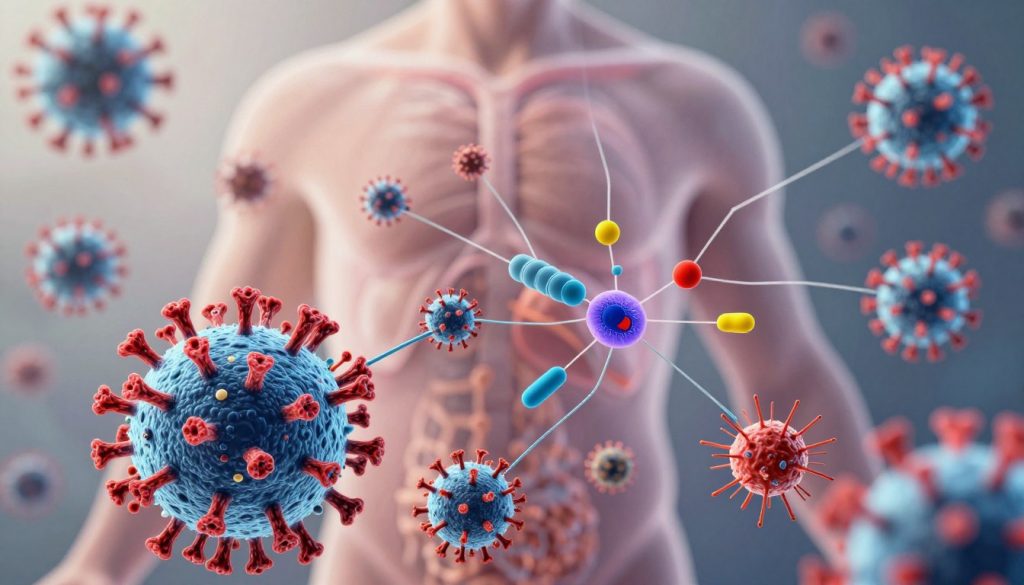
In summary, the adaptive immune response, through the actions of T cells and B cells, provides a targeted and effective defense against viral infections. Understanding these mechanisms is crucial for developing effective treatments and vaccines against viral diseases.
Step 4: Creating Long-Term Immune Memory
The fourth step in the immune response is creating a long-term memory that enables faster future protection against viral infections. This crucial step ensures that the immune system can recognize and respond to previously encountered viruses more effectively.
Memory T Cells and B Cells Form
After the initial viral threat is contained, the immune system initiates the formation of memory T cells and B cells. These memory cells are specialized lymphocytes that remember specific viral antigens. Memory T cells can directly kill infected cells, while memory B cells produce antibodies tailored to specific viruses.
How Memory Cells Provide Faster Future Protection
When the immune system encounters a virus it has seen before, memory T cells and B cells spring into action. They mount a rapid and targeted response, often neutralizing the virus before it can cause significant harm. This swift response is due to the immune system’s “memory” of the virus, allowing it to bypass the slower initial response required during the first encounter.
The Role of Vaccination in Building Immunity
Vaccination plays a critical role in building long-term immune memory without causing the disease. Vaccines introduce harmless pieces of a virus or a weakened virus to the body, triggering the formation of memory cells. This process prepares the immune system to fight future infections, providing immunity without the risk of actual disease.
| Cell Type | Function | Role in Immunity |
|---|---|---|
| Memory T Cells | Directly kill infected cells | Rapid response to previously encountered viruses |
| Memory B Cells | Produce antibodies | Neutralize viruses before they infect cells |
By understanding how the immune system creates long-term memory, we can appreciate the importance of vaccination and the body’s natural defense mechanisms in fighting viral infections.
Step 5: Clearing the Infection and Recovery
The final stage of the immune response involves clearing the viral infection, removing infected cells, and initiating tissue repair. This critical phase ensures that the body returns to a state of health and prepares it for potential future infections.
Eliminating Remaining Viral Particles
The immune system works diligently to eliminate any remaining viral particles from the body. Antibodies play a crucial role in neutralizing viruses, preventing them from infecting new cells. Meanwhile, immune cells like macrophages and neutrophils engulf and destroy viral particles and debris.
Apoptosis Removes Infected Cells Safely
Apoptosis, or programmed cell death, is a vital process that allows the body to safely remove infected cells without causing inflammation. This process prevents the release of viral particles and other cellular contents into the surrounding tissue, thereby limiting further infection.
Tissue Repair and Restoration
After clearing the infection, the body begins the process of tissue repair and restoration. This involves the regeneration of damaged cells and the rebuilding of tissue structure. Various growth factors and cytokines facilitate this process, promoting healing and restoring normal tissue function.
Regulating Inflammation as Healing Begins
As healing begins, it’s crucial to regulate inflammation to prevent excessive tissue damage. The immune system carefully balances pro-inflammatory and anti-inflammatory signals to ensure that inflammation is resolved once its job is done, allowing the tissue to return to a state of homeostasis.
Through these processes, the immune system not only clears the viral infection but also restores the body’s health and resilience, preparing it for future challenges.
Strengthening Your Antiviral Immune Defense
Your immune system is your first line of defense against viruses, and there are several ways to strengthen it. A robust immune system not only helps fight off viral infections but also reduces the severity of symptoms if you do get infected.
Essential Nutrients for Immune Cell Function
A well-balanced diet rich in essential nutrients is crucial for maintaining a healthy immune system. Vitamin C, found in citrus fruits and leafy greens, is known for its immune-boosting properties. Zinc is another critical nutrient that supports immune cell function and is found in foods like oysters, beef, and chicken.
| Nutrient | Food Sources | Immune Function |
|---|---|---|
| Vitamin C | Citrus fruits, leafy greens | Boosts immune cell production |
| Zinc | Oysters, beef, chicken | Supports immune cell function |
| Vitamin D | Fatty fish, fortified dairy | Regulates immune response |
Sleep’s Critical Role in Immune Response
Adequate sleep is vital for a healthy immune system. During sleep, your body produces cytokines, which are proteins that help fight off infections. Lack of sleep can weaken your immune defense, making you more susceptible to viral infections.
Managing Stress to Optimize Immunity
Chronic stress can negatively impact your immune system by suppressing the activity of immune cells. Engaging in stress-reducing activities like meditation, yoga, or deep breathing exercises can help manage stress levels and support immune function.
Exercise and Immune System Performance
Regular exercise is another key factor in maintaining a healthy immune system. Exercise helps boost the circulation of immune cells, making it easier for them to detect and respond to viral infections.
By incorporating these strategies into your daily routine, you can significantly strengthen your antiviral immune defense and reduce your risk of viral infections.
Conclusion
Understanding how your immune system fights viruses is crucial in appreciating the complex mechanisms that keep you healthy. The virus-fighting immune system mechanisms involve a multi-layered defense strategy that includes detecting viral threats, launching an innate immune response, and developing adaptive immunity to eliminate the virus and provide long-term protection.
The antiviral immunity pathways play a vital role in shielding your body against viral infections. By recognizing the importance of these pathways, you can take steps to support your immune system. This includes maintaining a balanced diet rich in essential nutrients, getting adequate sleep, managing stress, and engaging in regular exercise to optimize immune function.
By adopting a healthy lifestyle and understanding how your immune system works, you can empower your body’s natural defenses. A well-functioning immune system is your best defense against viral infections, and by taking proactive steps, you can help ensure it operates at its best.